Business Name: BeeHive Homes Assisted Living
Address: 16220 West Rd, Houston, TX 77095
Phone: (832) 906-6460
BeeHive Homes Assisted Living
BeeHive Homes Assisted Living of Cypress offers assisted living and memory care services in a warm, comfortable, and residential setting. Our care philosophy focuses on personalized support, safety, dignity, and building meaningful connections for each resident. Welcoming new residents from the Cypress and surrounding Houston TX community.
16220 West Rd, Houston, TX 77095
Business Hours
Monday thru Sunday: 7:00am - 7:00pm
Facebook: https://www.facebook.com/BeeHiveHomesCypress
Families usually discover the very first indications during regular minutes. A missed turn on a familiar drive. A pot left on the range. An uncharacteristic change in mood that remains. Dementia enters a household quietly, then reshapes every routine. The right response is seldom a single decision or a one-size strategy. It is a series of thoughtful modifications, made with the individual's self-respect at the center, and notified by how the disease progresses. Memory care communities exist to assist families make those modifications securely and sustainably. When chosen well, they supply structure without rigidness, stimulation without overwhelm, and genuine relief for partners, adult children, and friends who have actually been managing love with constant vigilance.
This guide distills what matters most from years of strolling households through the shift, going to dozens of communities, and gaining from the day-to-day work of care teams. It takes a look at when memory care becomes proper, what quality assistance looks like, how assisted living intersects with specialized dementia care, how respite care can be a lifeline, and how to stabilize security with a life still worth living.
Understanding the progression and its practical consequences
Dementia is not a single illness. Alzheimer's illness represent a bulk of cases. Vascular dementia, Lewy body dementia, and frontotemporal dementia have various patterns. The labels matter less everyday than the changes you see in the house: amnesia that interrupts regular, trouble with sequencing tasks, misinterpreted environments, lowered judgment, and changes in attention or mood.
Early on, a person may compensate well. Sticky notes, a shared calendar, and a medication set can help. The dangers grow when impairments connect. For example, moderate memory loss plus slower processing can turn kitchen tasks into a hazard. Decreased depth understanding combined with arthritis can make stairs harmful. An individual with Lewy body dementia may have brilliant visual hallucinations; arguing with the perception hardly ever assists, but changing lighting and reducing visual mess can.
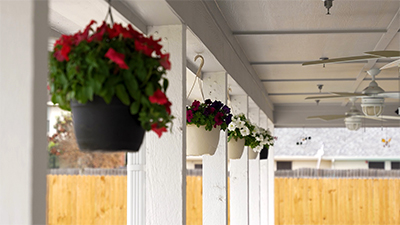
A beneficial guideline: when the energy needed to keep someone safe at home surpasses what the household can offer regularly, it is time to consider different supports. This is not a failure of love. It is an acknowledgment that dementia moves both the care requirements and the caregiver's capacity, frequently in uneven steps.
What "memory care" actually offers
Memory care describes residential settings designed specifically for individuals living with dementia. Some exist as dedicated communities within assisted living communities. Others are standalone structures. The very best ones blend foreseeable structure with individualized attention.
Design features matter. A safe and secure perimeter decreases elopement threat without feeling punitive. Clear sightlines enable personnel to observe discreetly. Circular strolling courses give purposeful motion. Contrasting colors at flooring and wall thresholds assist with depth understanding. Lifecycle cooking areas and laundry spaces are often locked or monitored to remove dangers while still allowing significant jobs, such as folding towels or arranging napkins, to be part of the day.
Programming is not entertainment for its own sake. The goal is to preserve abilities, lower distress, and create moments of success. Short, familiar activities work best. Baking muffins on Wednesday early mornings. Mild exercise with music that matches the period of a resident's young adulthood. A gardening group that tends simple herbs and marigolds. The specifics matter less than the predictable rhythm and the respect for each person's preferences.
Staff training distinguishes true memory care from general assisted living. Employee must be versed in acknowledging pain when a resident can not verbalize it, redirecting without confrontation, supporting bathing and dressing with very little distress, and reacting to sundowning with modifications to light, sound, and schedule. Ask about staffing ratios during both day and overnight shifts, the typical period of caregivers, and how the group communicates changes to families.
Assisted living, memory care, and how they intersect
Families frequently begin in assisted living because it offers help with daily activities while preserving self-reliance. Meals, housekeeping, transportation, and medication management reduce the load. Lots of assisted living neighborhoods can support homeowners with moderate cognitive disability through pointers and cueing. The tipping point generally shows up when cognitive modifications develop security dangers that basic assisted living can not reduce safely or when behaviors like wandering, repeated exit-seeking, or significant agitation surpass what the environment can handle.
Some neighborhoods offer a continuum, moving homeowners from assisted living to a memory care neighborhood when needed. Continuity assists, since the person recognizes some faces and designs. Other times, the very best fit is a standalone memory care building with tighter training, more sensory-informed style, and a program constructed totally around dementia. Either technique can work. The deciding aspects are a person's symptoms, the staff's know-how, household expectations, and the culture of the place.
Safety without stripping away autonomy
Families naturally concentrate on preventing worst-case circumstances. The obstacle is to do so without erasing the individual's firm. In practice, this indicates reframing safety as proactive style and choice architecture, not blanket restriction.
If somebody enjoys walking, a safe and secure yard with loops and benches provides liberty of movement. If they long for purpose, structured roles can carry that drive. I have seen residents flower when provided a daily "mail route" of providing community newsletters. Others take pride in setting placemats before lunch. True memory care tries to find these chances and documents them in care plans, not as busywork but as meaningful occupations.
Technology helps when layered with human judgment. Door sensors can inform personnel if a resident exits late in the evening. Wearable trackers can locate a person if they slip beyond a perimeter. So can basic ecological hints. A mural that looks like a bookcase can discourage entry into staff-only locations without a locked indication that feels scolding. Great style reduces friction, so staff can spend more time appealing and less time reacting.
Medical and behavioral intricacies: what competent care looks like
Primary care needs do not vanish. A memory care neighborhood should coordinate with physicians, physiotherapists, and home health providers. Medication reconciliation need to be a routine, not an afterthought. Polypharmacy sneaks in quickly when various physicians include treatments to handle sleep, mood, or agitation. A quarterly evaluation can catch duplications or interactions.
Behavioral signs prevail, not aberrations. Agitation typically signifies unmet requirements: hunger, pain, dullness, overstimulation, or an environment that is too cold or brilliant. An experienced caregiver will search for patterns and change. For instance, if Mr. F ends up being restless at 3 p.m., a peaceful area with soft light and a tactile activity may avoid escalation. If Ms. K declines showers, a warm towel, a preferred song, and offering choices about timing can minimize resistance. Antipsychotics and sedatives have functions in narrow circumstances, however the first line ought to be environmental and relational strategies.
Falls happen even in properly designed settings. The quality indicator is not zero events; it is how the team reacts. Do they total origin analyses? Do they change footwear, evaluation hydration, and work together with physical treatment for gait training? Do they use chair and bed alarms judiciously, or blanketly?
The function of household: remaining present without burning out
Moving into memory care does not end family caregiving. It alters it. Numerous relatives explain a shift from minute-by-minute watchfulness to relationship-focused time. Rather of counting pills and going after visits, sees center on connection.
A couple of practices aid:
- Share a personal history picture with the staff: nicknames, work history, favorite foods, family pets, crucial relationships, and subjects to prevent. A one-page Life Story makes introductions much easier and lowers missteps. Establish an interaction rhythm. Agree on how and when staff will update you about changes. Choose one main contact to minimize crossed wires. Bring small, turning comforts: a soft cardigan, a photo book, familiar lotion, a preferred baseball cap. A lot of products at once can overwhelm. Visit sometimes that match your loved one's finest hours. For numerous, late morning is calmer than late afternoon. Help the neighborhood adapt special customs rather than recreating them completely. A short holiday visit with carols might prosper where a long family supper frustrates.
These are not rules. They are starting points. The bigger suggestions is to allow yourself to be a boy, child, spouse, or good friend again, not only a caregiver. That shift brings back energy and frequently reinforces the relationship.
When respite care makes a definitive difference
Respite care is a short-term remain in an assisted living or memory care setting. Some households utilize it for a week while a caregiver recovers from surgical treatment or participates in a wedding across the nation. Others develop it into their year: three or four overnight stays scattered throughout seasons to avoid burnout. Communities with dedicated respite suites usually require a minimum stay duration, commonly 7 to 2 week, and a current medical assessment.
Respite care serves 2 purposes. It provides the main caregiver genuine rest, not simply a lighter day. It likewise offers the person with dementia a possibility to experience a structured environment without the pressure of permanence. Families frequently find that their loved one sleeps better throughout respite, because regimens correspond and nighttime roaming gets gentle redirection. If a permanent move becomes necessary, the transition is less jarring when the faces and routines are familiar.
Costs, agreements, and the mathematics households really face
Memory care expenses differ commonly by area and by neighborhood. In lots of U.S. markets, base rates for memory care range from the mid-$4,000 s to $9,000 or more per month. Pricing designs vary. Some neighborhoods offer extensive rates that cover care, meals, and programming with very little add-ons. Others start with a base lease and add tiered care fees based on evaluations that quantify help with bathing, dressing, transfers, continence, and medication.

Hidden costs are avoidable if you check out the documents closely and ask specific questions. What activates a relocation from one care level to another? How typically are evaluations performed, and who decides? Are incontinence supplies consisted of? Exists a rate lock period? What is the policy on third-party home health or hospice suppliers in the building, and exist coordination fees?
Long-term care insurance coverage might offset costs if the policy's benefit triggers are satisfied. Veterans and enduring partners might get approved for Aid and Presence. Medicaid programs can cover memory care in some states through waivers, though availability and waitlists differ. It is worth a discussion with a state-certified counselor or an elder law lawyer to explore alternatives early, even if you prepare to pay privately for a time.
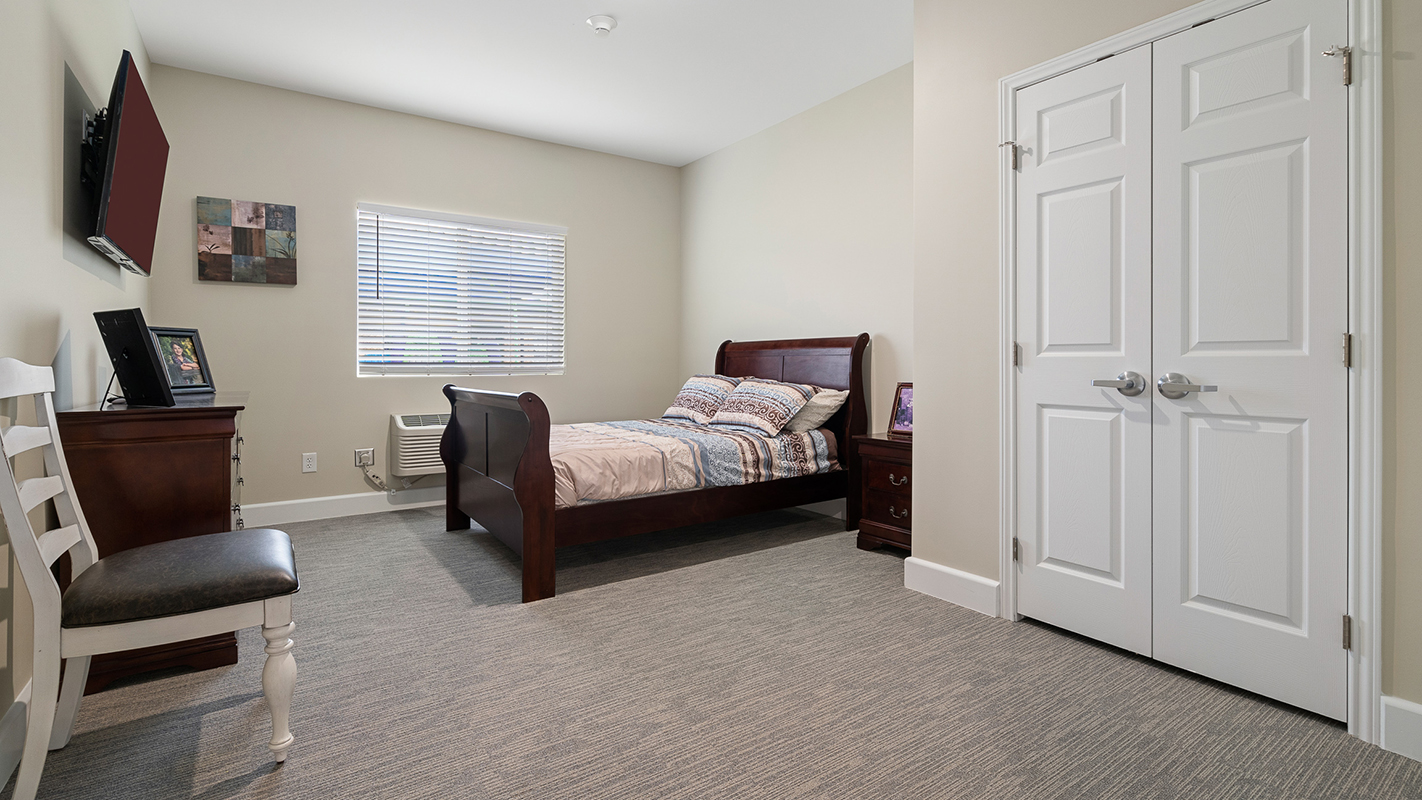
Evaluating neighborhoods with eyes open
Websites and trips can blur together. The lived experience of a neighborhood shows up in details.
Watch the hallways, not simply the lobby. Are residents engaged in little groups, or do they sit dozing in front of a television? Listen for how staff talk to locals. Do they utilize names and discuss what they are doing? Do they squat to eye level, or rush from task to task? Smells are not minor. Periodic odors occur, however a consistent ammonia aroma signals staffing or systems issues.
Ask about personnel turnover. A team that stays constructs relationships that reduce distress. Inquire how the neighborhood handles medical visits. Some have in-house primary care and podiatry, a benefit that conserves households time and minimizes missed out on medications. Inspect the graveyard shift. Overnight is when understaffing shows. If possible, visit at different times of memory care day without an appointment.
Food tells a story. Menus can look beautiful on paper, however the evidence is on the plate. Come by throughout a meal. Expect dignified help with consuming and for modified diet plans that still look attractive. Hydration stations with instilled water or tea encourage consumption better than a water pitcher half out of reach.
Finally, inquire about the tough days. How does the group handle a resident who hits or shouts? When is an individually sitter utilized? What is the limit for sending out somebody out to the medical facility, and how does the neighborhood avoid avoidable transfers? You want truthful, unvarnished answers more than a spotless brochure.
Transition preparation: making the relocation manageable
A relocation into memory care is both logistical and emotional. The individual with dementia will mirror the tone around them, so calm, basic messaging assists. Concentrate on positive facts: this place has excellent food, individuals to do activities with, and staff to help you sleep. Avoid arguments about ability. If they say they do not need assistance, acknowledge their strengths while explaining the support as a convenience or a trial.
Bring fewer products than you believe. A well-chosen set of clothing, a preferred chair if space enables, a quilt from home, and a little choice of images offer convenience without mess. Label whatever with name and space number. Work with personnel to set up the room so items show up and obtainable: shoes in a single spot, toiletries in an easy caddy, a lamp with a large switch.
The initially two weeks are a change period. Expect calls about little challenges, and give the group time to discover your loved one's rhythms. If a behavior emerges, share what has operated at home. If something feels off, raise it early and collaboratively. A lot of communities welcome a care conference within 1 month to fine-tune the plan.
Ethical stress: permission, truthfulness, and the borders of redirecting
Dementia care includes minutes where plain truths can cause harm. If a resident thinks their long-deceased mother is alive, telling the reality bluntly can retraumatize. Validation and gentle redirection typically serve much better. You can respond to the emotion rather than the incorrect detail: you miss your mother, she was important to you. Then approach a comforting activity. This approach appreciates the person's truth without developing sophisticated falsehoods.
Consent is nuanced. An individual may lose the ability to comprehend intricate information yet still reveal preferences. Great memory care neighborhoods incorporate supported decision-making. For example, rather than asking an open-ended concern about bathing, provide 2 choices: warm shower now or after lunch. These structures preserve autonomy within safe bounds.
Families often disagree internally about how to manage these concerns. Set ground rules for communication and designate a healthcare proxy if you have not currently. Clear authority decreases conflict at tough moments.
The long arc: planning for changing needs
Dementia is progressive. The objectives of care shift in time from preserving self-reliance, to making the most of convenience and connection, to prioritizing tranquillity near the end of life. A community that teams up well with hospice can make the last months kinder. Hospice does not mean giving up. It includes a layer of assistance: specialized nurses, aides concentrated on comfort, social employees who help with sorrow and useful matters, and chaplains if desired.
Ask whether the community can supply two-person transfers if movement declines, whether they accommodate bed-bound locals, and how they manage feeding when swallowing ends up being hazardous. Some households prefer to avoid feeding tubes, picking hand feeding as tolerated. Go over these decisions early, record them, and revisit as reality changes.
The caregiver's health belongs to the care plan
I have enjoyed devoted spouses push themselves past exhaustion, encouraged that nobody else can do it right. Love like that should have to last. It can not if the caretaker collapses. Build respite, accept deals of assistance, and acknowledge that a well-chosen memory care community is not a failure, it is an extension of your care through other skilled hands. Keep your own medical consultations. Move your body. Eat genuine food. Seek a support group. Speaking to others who comprehend the roller coaster of guilt, relief, sadness, and even humor can steady you. Many neighborhoods host family groups open to non-residents, and regional chapters of Alzheimer's organizations preserve listings.
Practical signals that it is time to move
Families frequently request for a checklist, not to change judgment but to frame it. Consider these repeating signals:
- Frequent roaming or exit-seeking that requires continuous monitoring, specifically at night. Weight loss or dehydration regardless of pointers and meal support. Escalating caretaker stress that produces mistakes or health issues in the caregiver. Unsafe behaviors with devices, medications, or driving that can not be reduced at home. Social isolation that worsens state of mind or disorientation, where structured programs could help.
No single product dictates the decision. Patterns do. If two or more of these continue despite strong effort and reasonable home modifications, memory care should have major consideration.
What a great day can still look like
Dementia narrows possibilities, however a good day stays possible. I remember Mr. L, a retired machinist who grew upset around midafternoon. Staff understood the clatter of dishes in the open cooking area set off memories of factory noise. They moved his seat and offered a basket of big nuts and bolts to sort, a familiar rhythm for his hands. His spouse began visiting at 10 a.m. with a crossword and coffee. His uneasyness eased. There was no miracle remedy, only cautious observation and modest, consistent changes that respected who he was.
That is the essence of memory care done well. It is not glossy amenities or themed decor. It is the craft of noticing, the discipline of regular, the humbleness to test and change, and the commitment to dignity. It is the guarantee that safety will not erase self, and that households can breathe once again while still being present.
A last word on choosing with confidence
There are no best choices, just much better suitable for your loved one's needs and your family's capability. Search for communities that feel alive in little methods, where personnel know the resident's dog's name from thirty years ago and also know how to safely help a transfer. Select places that invite concerns and do not flinch from tough subjects. Use respite care to trial the fit. Expect bumps and evaluate the action, not simply the problem.
Most of all, keep sight of the individual at the center. Their choices, peculiarities, and stories are not footnotes to a diagnosis. They are the plan for care. Assisted living can extend self-reliance. Memory care can protect self-respect in the face of decline. Respite care can sustain the whole circle of assistance. With these tools, the path through dementia becomes navigable, not alone, and still filled with moments worth savoring.
BeeHive Homes Assisted Living is an Assisted Living Facility
BeeHive Homes Assisted Living is an Assisted Living Home
BeeHive Homes Assisted Living is located in Cypress, Texas
BeeHive Homes Assisted Living is located Northwest Houston, Texas
BeeHive Homes Assisted Living offers Memory Care Services
BeeHive Homes Assisted Living offers Respite Care (short-term stays)
BeeHive Homes Assisted Living provides Private Bedrooms with Private Bathrooms for their senior residents
BeeHive Homes Assisted Living provides 24-Hour Staffing
BeeHive Homes Assisted Living serves Seniors needing Assistance with Activities of Daily Living
BeeHive Homes Assisted Living includes Home-Cooked Meals Dietitian-Approved
BeeHive Homes Assisted Living includes Daily Housekeeping & Laundry Services
BeeHive Homes Assisted Living features Private Garden and Green House
BeeHive Homes Assisted Living has a Hair/Nail Salon on-site
BeeHive Homes Assisted Living has a phone number of (832) 906-6460
BeeHive Homes Assisted Living has an address of 16220 West Road, Houston, TX 77095
BeeHive Homes Assisted Living has website https://beehivehomes.com/locations/cypress
BeeHive Homes Assisted Living has Google Maps listing https://maps.app.goo.gl/G6LUPpVYiH79GEtf8
BeeHive Homes Assisted Living has Facebook page https://www.facebook.com/BeeHiveHomesCypress
BeeHive Homes Assisted Living is part of the brand BeeHive Homes
BeeHive Homes Assisted Living focuses on Smaller, Home-Style Senior Residential Setting
BeeHive Homes Assisted Living has care philosophy of “The Next Best Place to Home”
BeeHive Homes Assisted Living has floorplan of 16 Private Bedrooms with ADA-Compliant Bathrooms
BeeHive Homes Assisted Living welcomes Families for Tours & Consultations
BeeHive Homes Assisted Living promotes Engaging Activities for Senior Residents
BeeHive Homes Assisted Living emphasizes Personalized Care Plans for each Resident
BeeHive Homes Assisted Living won Top Branded Assisted Living Houston 2025
BeeHive Homes Assisted Living earned Outstanding Customer Service Award 2024
BeeHive Homes Assisted Living won Excellence in Assisted Living Homes 2023
People Also Ask about BeeHive Homes Assisted Living
What services does BeeHive Homes Assisted Living of Cypress provide?
BeeHive Homes Assisted Living of Cypress provides a full range of assisted living and memory care services tailored to the needs of seniors. Residents receive help with daily activities such as bathing, dressing, grooming, medication management, and mobility support. The community also offers home-cooked meals, housekeeping, laundry services, and engaging daily activities designed to promote social interaction and cognitive stimulation. For individuals needing specialized support, the secure memory care environment provides additional safety and supervision.
How is BeeHive Homes Assisted Living of Cypress different from larger assisted living facilities?
BeeHive Homes Assisted Living of Cypress stands out for its small-home model, offering a more intimate and personalized environment compared to larger assisted living facilities. With 16 residents, caregivers develop deeper relationships with each individual, leading to personalized attention and higher consistency of care. This residential setting feels more like a real home than a large institution, creating a warm, comfortable atmosphere that helps seniors feel safe, connected, and truly cared for.
Does BeeHive Homes Assisted Living of Cypress offer private rooms?
Yes, BeeHive Homes Assisted Living of Cypress offers private bedrooms with private or ADA-accessible bathrooms for every resident. These rooms allow individuals to maintain dignity, independence, and personal comfort while still having 24-hour access to caregiver support. Private rooms help create a calmer environment, reduce stress for residents with memory challenges, and allow families to personalize the space with familiar belongings to create a “home-within-a-home” feeling.
Where is BeeHive Homes Assisted Living located?
BeeHive Homes Assisted Living is conveniently located at 16220 West Road, Houston, TX 77095. You can easily find direction on Google Maps or visit their home during business hours, Monday through Sunday from 7am to 7pm.
How can I contact BeeHive Homes Assisted Living?
You can contact BeeHive Assisted Living by phone at: 832-906-6460, visit their website at https://beehivehomes.com/locations/cypress, or connect on social media via Facebook
Conveniently located near Harris County Deputy Darren Goforth Park on Horsepen Creek, our assisted living home residents love to visit and watch the dogs run in the park.